Plain-language guides, for the comeback and the next race
Every guide summarizes published research, cites it, and says where the evidence is thin. Rebound is a fitness product, not medical care.
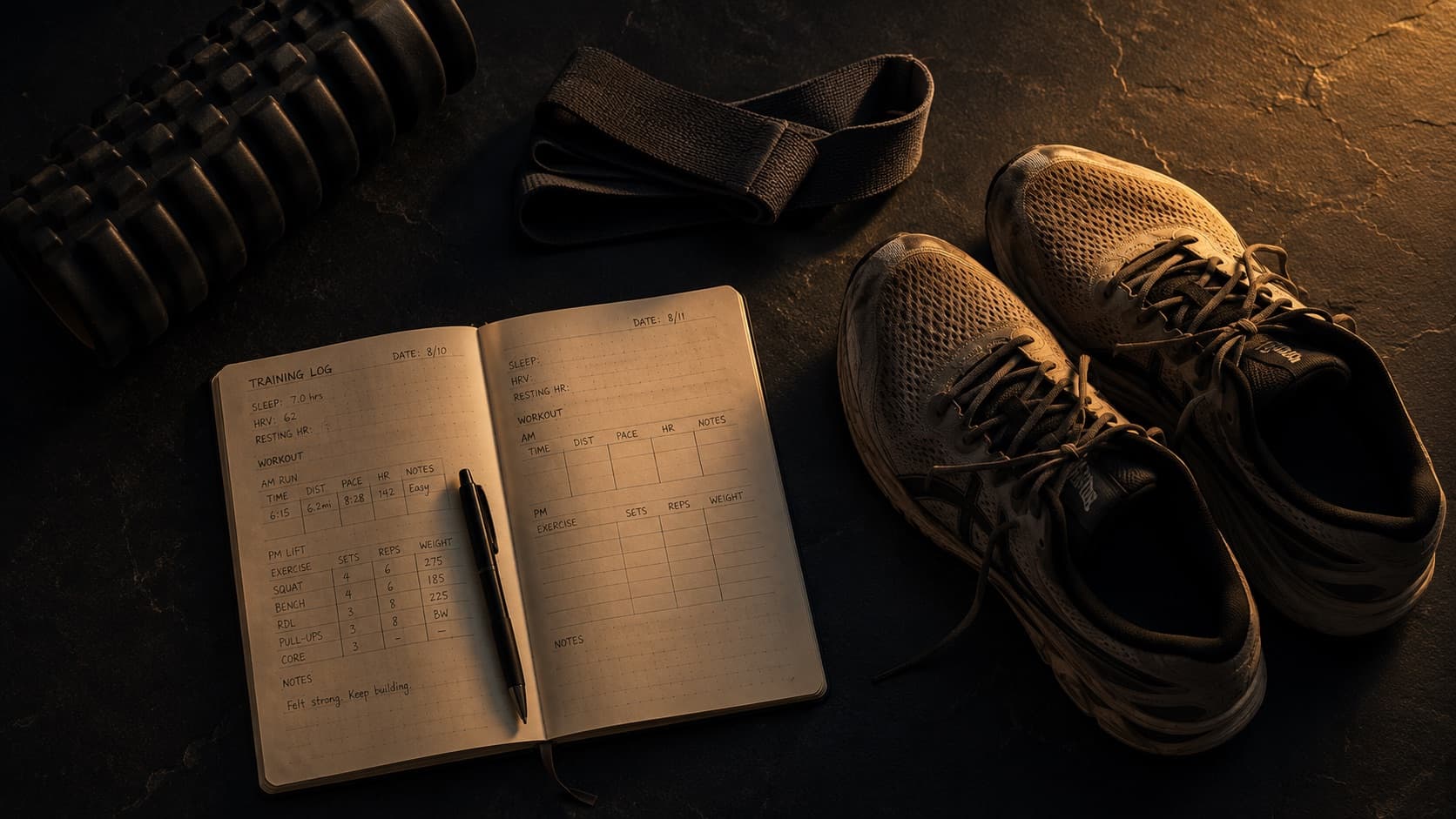
Returning to running after a knee injury
What the clinical research says about getting back to running: realistic timelines, the pain rules that keep you safe, and the graded walk-run progression Rebound Recovery is built on.
IT Band Pain: How to Return to Running
Why foam rolling does not fix IT band pain, what the anatomy research actually found, and a walk-run plan built on staying under your pain threshold.
Jumper's Knee: Returning to Running
Why rest keeps failing patellar tendon pain, how to use the next-morning test as your guide, and a staged loading plan that brings running back safely.
Return to Running After ACL Reconstruction
When running is safe after ACL surgery, the readiness criteria that matter more than the 12-week mark, and a graded walk-run plan for rebuilding with confidence.
Runner's Knee: How to Get Back to Running
What the evidence says about patellofemoral pain, why rest alone fails, the pain rules for safe training, and a 13-stage walk-run progression back to 30 minutes.
Running After a Meniscus Tear
Realistic return-to-running timelines after meniscectomy, meniscus repair, or no surgery, why swelling is the signal that matters most, and a graded walk-run progression.
Returning to running after an Achilles injury
What the research says about Achilles tendinopathy and coming back from a repaired rupture: the pain-monitoring model that was written on this tendon, calf strengthening, why heel-bone pain is handled differently, and the earliest sensible start after surgery.
Starting to run, or starting again
What the research says about taking up running from scratch, or after years away: why a graded walk/run build beats winging it, how much is too much too soon, and the pain rules that keep a new ache small.
Training for your next race
What the training research says about building mileage, planning a race and fueling long runs, and how Rebound Training applies it.
How Many Weeks Do You Need to Train for a 5k, 10k, Half Marathon or Marathon?
Typical plan lengths by distance, the base you need before you start, why an under-prepared runner should get more weeks rather than a steeper ramp, and how a taper works.
How Much Should I Increase My Running Mileage Each Week?
What the research says about the 10 percent rule, the spike sizes that actually track with injury, why cutback weeks matter, and how Rebound Training builds mileage from where you are.
How to Fuel a Long Run: Carbs Per Hour, Gels, and Fluids
How much carbohydrate to take by run duration, when the first gel goes in, how to handle fluid and sodium, the one mistake that is genuinely dangerous, and how Rebound Training plans fueling for long runs and race day.
Rebound is a fitness product, not medical care. These guides are general education, not medical advice or a diagnosis. Your surgeon's and physical therapist's guidance always comes first.